


Beyond the Flu: The Single Winter Contaminant Fueling the Global Antibiotic Crisis
Every winter, we talk about the flu shot, the common cold, and keeping the family—pets included—warm and dry. We worry about viruses. But what if the single most dangerous winter threat to global health isn’t a bug that causes a fever, but an invisible chemical contaminant that is actively breaking modern medicine?
The threat we’re talking about is Antibiotic Resistance (AR).
You might be thinking, “That’s a human hospital problem, not a pet owner problem.” And that’s the precise moment we need to change the conversation. The truth is, the way we manage our homes, our communities, and our waste—especially during the winter months—is creating a perfect storm for Superbugs, and our pets are unintentionally right in the middle of it. We’re going to dive into the one often-overlooked winter contaminant that is actively fueling this crisis.
The Big Idea: Antibiotic Resistance Isn’t Just a Human Problem
Antibiotic resistance occurs when bacteria evolve defenses against the drugs designed to kill them. The World Health Organization (WHO) calls it one of the top ten global public health threats facing humanity.
Why should pet owners care? Because bacteria do not discriminate. Resistant bacteria can easily pass between humans and animals, a concept known as zoonotic transmission. When your veterinarian prescribes an antibiotic, the effectiveness of that drug depends on the entire global ecosystem doing its part.
The U.S. Centers for Disease Control and Prevention (CDC) utilizes a ‘One Health’ approach, recognizing that the health of people, animals, and the environment are inextricably linked, especially concerning antimicrobial resistance.
The “Single Winter Contaminant”: Antibiotics in Wastewater
Here’s the hidden threat: The single winter contaminant fueling this crisis is residual antibiotics flushed into our water systems.
During winter, cold and flu season peaks. Humans and pets alike often require antibiotics for secondary infections. Much of the medication we take—or give our pets—isn’t fully metabolized by the body. This unspent, active drug is excreted and enters the wastewater system via toilets and drains.
In the winter, low temperatures slow down the activity of naturally occurring bacteria in wastewater treatment plants (WWTPs). This means the WWTPs are less efficient at breaking down antibiotic compounds before the water is released back into the environment. These low, constant doses of antibiotics act as a selection pressure on environmental bacteria, encouraging them to evolve resistance.
Pet-Friendly Ice Melt
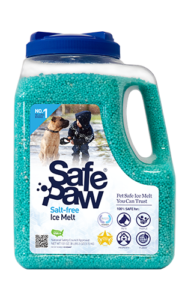
Pet Safe Ice Melt – Safe Paw
The Original and the #1 Pet and Child Safe Ice Melt for over 20 years. Guaranteed environmentally safe – will not harm waterways and sensitive wetlands.

Environmental Transmission During Winter
When partially treated water (containing antibiotic remnants) is released, it enters streams, soil, and storm runoff.
- Your dog walks through a puddle, sniffs near a drain, or drinks from a stream. They ingest or pick up environmental bacteria that have been exposed to these drug remnants. If those bacteria have evolved resistance, they can colonize your pet. The pet doesn’t get sick right away, but they become a carrier, introducing those resistant microbes into your home environment.
- You might be thinking, “I don’t even give my pet antibiotics often!” But the risk comes from the environment outside your home, not just from the veterinary office. The problem is what’s being flushed by everyone else.
Pets and the Antibiotic Ripple Effect
Veterinary medicine has its own challenge with AR, but the larger, silent threat is environmental transmission.
Studies on environmental samples have detected concentrations of common veterinary and human antibiotics in surface waters across the US, confirming their role as a continuous low-level selection pressure for antimicrobial resistance genes.
What Responsible Pet Owners Can Do
You are part of the solution. Your responsibility goes beyond just giving the full prescription dose (which is still crucial!).
- Never Flush Meds: Never flush unused or expired antibiotics (human or pet) down the toilet or drain. Follow DEA guidelines for proper disposal, which often means taking them to a designated collection site.
- Use Probiotics: Discuss preventative gut health with your vet. A strong, balanced gut biome is your pet’s first line of defense against infection, potentially reducing the need for antibiotics in the first place.
- Be the Advocate: When your vet suggests an antibiotic, ask about alternatives or definitive testing first.
The misuse or unnecessary prescription of antibiotics in companion animals contributes directly to the environmental load and subsequent amplification of resistance, making owner questioning a crucial stewardship step.
The Larger Message: The Flu Isn’t the Only Winter Threat
This winter, as you protect your family from the flu, take a step further. Recognize that the waste management choices you make, and the questions you ask your medical professionals, are acts of global health stewardship.
By responsibly disposing of medications and prioritizing preventative health, you are helping to preserve the effectiveness of antibiotics for future generations—human and animal alike.
FAQs
Other Ice Melt Products
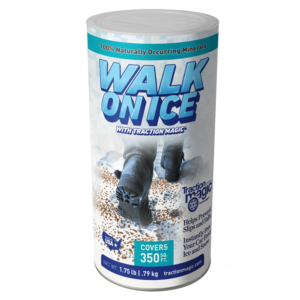
Walk On Ice
Prevent slips at home, work or on the go, The handy disposable canister can be taken everywhere, with the same 100% naturally occurring minerals that provide instant traction on ice or snow.
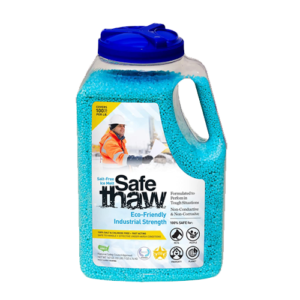
Safe Thaw
Imagine an ice melt you can put down and never worry about. It won’t harm pets, kids and your property. That’s Safe Thaw. Unlike anything else on the market, Safe Thaw can change how winter affects our planet.