



The Do’s And Don’ts Of Car Defrosting

If your car is not defrosting, first confirm that front defrost mode is selected, the fan is running, the dashboard vents are open, outside-air mode is active, and the temperature is set warm. Weak or absent clearing can result from blocked defrost vents, a restricted cabin-air filter, low airflow, insufficient engine heat, an HVAC-control problem, excessive cabin moisture, or an electrical fault. A rear defroster that clears only in patches may have damaged heating lines or a connection problem. Remove exterior snow and loosened ice with vehicle-appropriate tools, but do not pour hot water on the glass or apply driveway ice-melting material to the vehicle.
Key Takeaways
- Front defrost usually requires airflow, a warmer temperature, and outside-air mode.
- Air conditioning may operate during defrost to reduce cabin humidity.
- No airflow suggests a fan, fuse, vent, control, or blower-related problem.
- Cold airflow can indicate insufficient warm-up, low coolant, a thermostat issue, or an HVAC problem.
- Weak airflow may result from blocked vents or a restricted cabin-air filter.
- Persistent interior fog may be caused by wet mats, snow-covered clothing, recirculation mode, or another source of cabin moisture.
- Uneven rear-window clearing may indicate damaged heating-grid lines or an electrical connection problem.
- Thick exterior ice may require a suitable automotive scraper after the glass begins warming.
- Do not use hot water, direct high-heat tools, sharp metal objects, or driveway ice-melting products on automotive glass.
- Vehicle systems differ, so model-specific diagnosis should begin with the owner’s manual.
Car defrosting is a pain in winters but fret not; we know to help you with how to remove ice. You cannot directly apply hot water to the car, damaging the windshield and denting the car. You cannot scrape the ice off the car as it will scratch it, making it an expensive long-term affair. Moreover, you need to ensure that you have the proper tools and techniques to help you ease the car defrosting process.
Fast Facts: How to Defrost Windshield Fast and Safely
- Never pour hot water on a frozen windshield—thermal shock can crack the glass instantly.
- Using rock salt or water softener salt can corrode car parts, brake lines, and concrete surfaces.
- CMA (Calcium Magnesium Acetate) is less corrosive but ineffective in extreme cold.
Safe Paw, made by Gaia Enterprises, is 100% salt-free, chloride-free, and non-corrosive—safe for cars, concrete, and pets.
Why You Need a Safe Strategy for Car Defrosting in Cold Weather
A frozen car windshield may seem harmless, but defrosting incorrectly can lead to:
- Thermal shock cracks
- Micro-scratches that spread into fractures
- Damage to paint and trim
- Premature wear on wipers
- Corrosion from salt products
- Long-term undercarriage deterioration
In fact, improper defrosting is one of the top preventable causes of winter windshield damage. This occurs because extreme temperature differences create thermal stress on the glass. When hot air is blasted directly onto an extremely cold or frozen windshield, the rapid, uneven expansion of the glass can cause existing small chips and cracks to suddenly spread. Likewise, using boiling water on ice is highly destructive for the same reason.
Furthermore, using metal scrapers or other inappropriate tools can score the glass, creating new weak points susceptible to cracking. Safe, gradual defrosting is critical to maintaining the structural integrity of the windshield during cold weather.
Why Is My Front Defroster Not Blowing Air?
Confirm that the climate-control system is on, front defrost is selected, fan speed is above zero, and the dashboard defrost openings are not covered. If there is no airflow from any vent, the problem may involve the blower circuit, fuse, control module, or fan motor. If other vents work but the windshield vents do not, the airflow-door or mode-control system may not be directing air correctly.
Why Is the Defroster Blowing Cold Air?
The system may initially blow cold air while the vehicle warms. If the air remains cold, possible causes include insufficient engine temperature, low coolant, a thermostat problem, a heater-core issue, or an HVAC-control fault. Electric vehicles and hybrids use different heating systems, so model-specific diagnostic guidance is essential.
Why Is Defroster Airflow Weak?
Weak airflow can result from a restricted cabin-air filter, blocked dashboard outlets, a low fan setting, snow or debris obstructing the exterior air intake, or a blower problem. Do not place papers, dashboard covers, or accessories over the windshield vents.
Toyota specifically warns against covering dashboard air outlets because this can prevent the windshield defogger from operating properly. Toyota Owners: Climate Control and Defogger
Why Does the Windshield Keep Fogging?
Recirculation mode, wet floor mats, damp clothing, snow brought into the cabin, and a dirty interior windshield can contribute to repeated fogging. Use outside-air mode when recommended, allow the air-conditioning function to dehumidify the air, and reduce excess moisture inside the vehicle.
Why Is Only Part of the Rear Window Clearing?
Rear defrosters normally use electrical heating lines in the glass. A section that remains fogged while other areas clear may correspond to a scratched or damaged line. If the entire rear system remains inactive, check the control indicator and the model-specific fuse information before arranging further diagnosis.
Front Windshield Defroster vs Rear Window Defroster Problems
| Symptom | Front windshield system | Rear-window system |
| No clearing anywhere | Check HVAC mode, fan, heat, vents, filter, and humidity | Check switch, indicator, fuse, power, and ground |
| Only part remains unclear | Check airflow distribution and glass condition | Inspect the corresponding heating-grid lines |
| No airflow | Possible blower, vent, filter, fuse, or mode-door issue | Not applicable because the system does not use HVAC airflow |
| Air remains cold | Heating-system or coolant-related issue may be involved | Not applicable |
| Clears, then fog returns | Cabin humidity or recirculation may be involved | Interior moisture may still be present |
| Works slowly in severe cold | Available heat, airflow, ice thickness, and humidity matter | Grid output and ice thickness matter |
| Side mirrors remain fogged | Front defrost may not heat them | Heated mirrors may operate with rear defrost, if equipped |
Interior Fog vs Exterior Frost Troubleshooting
| Condition | Typical sign | Appropriate response |
| Interior fog | Moist film inside the glass | Front defrost, outside air, dehumidification, moisture reduction |
| Exterior fog | Moisture outside cooled glass | Adjust glass temperature and use wipers where appropriate |
| Light exterior frost | Thin frozen layer outside | Warm gradually and use an automotive scraper |
| Thick exterior ice | Bonded exterior ice | Remove snow, warm glass, then scrape carefully |
| Oily interior film | Smearing or rapid refogging | Clean the interior glass with a suitable automotive glass method |
| Repeated unexplained interior moisture | Persistent fog and dampness | Inspect wet mats and other moisture sources; further diagnosis may be needed |
Car Defroster Troubleshooting Checklist
- Identify the affected system. Determine whether the problem is the front windshield, rear glass, side mirrors, or all systems.
- Confirm the correct control. Front defrost and rear defrost use different mechanisms and controls.
- Check the indicator light or display.
- Increase the fan speed.
- Select a warmer temperature.
- Switch from recirculation to outside-air mode where recommended.
- Allow air conditioning to operate if it activates during front defrost.
- Check whether air is reaching the windshield vents.
- Remove objects covering dashboard vents.
- Inspect the cabin-air filter according to the maintenance schedule.
- Check for snow or debris around the vehicle’s exterior air intake.
- Determine whether the engine or heating system reaches normal operating temperature.
- Inspect the rear heating grid visually for obvious scratches or breaks.
- Check the model-specific fuse information before replacing any fuse.
- Remove excess cabin moisture and clean the inside of the glass.
- Consult model-specific service information if the problem remains.
Best First Check for Each Car Defroster Symptom
| Symptom | Best first check | Next check |
| No front airflow | Fan setting and defrost mode | Vents, fuse, blower, or mode control |
| Weak front airflow | Dashboard vent obstruction | Cabin-air filter and blower performance |
| Cold front airflow | Allow normal warm-up | Coolant level and heating-system operation |
| Fog returns quickly | Switch off recirculation | Dry mats, clean glass, and reduce cabin moisture |
| Entire rear defroster inactive | Switch indicator and model-specific fuse | Power, ground, relay, or connection |
| Lines remain fogged | Inspect corresponding grid lines | Grid repair or further diagnosis |
| Heated mirrors inactive | Confirm whether they are fitted and linked to rear defrost | Check vehicle-specific controls |
| Thick windshield ice remains | Use built-in defrost and gradual warming | Suitable automotive scraper |
| Wipers do not move | Check whether they are frozen to the glass | Wiper fuse or motor diagnosis |
| Defrost works only while driving | Check blower and available heat at idle | Heating-system or control diagnosis |
How to Defrost Windshield in Cold Weather: Proven Do’s for Speed and Safety
1. Should I Turn On the Car Heater or Defroster First?
Yes. Turning on the heater/defroster is the safest and most effective starting point. Let the warm air gradually heat the interior side of the windshield for 10–15 minutes.
This slow, even warming prevents damage and softens the ice so it can be removed gently.
Sudden hot-to-cold temperature changes can crack or shatter automotive windshields due to thermal shock.
2. Is Using a Commercial or Homemade Deicer Effective?
Yes—deicers are an excellent tool for safe ice melt on vehicles.
Homemade mix:
- 2 parts isopropyl alcohol
- 1 part water
- A few drops of dish soap
Commercial deicers like Safe Paw melt ice faster, so they can be used on the surface around the car or driveway and contain no corrosive salts.
Isopropyl alcohol is highly flammable due to its low flash point, creating a significant fire risk when used in large quantities or near heat sources. Additionally, it is toxic if ingested and requires careful handling.
3. Can I Use Lukewarm Water on My Car?
You may use lukewarm water on:
- Door handles
- Door seals
- Side mirrors
But never on windshields or windows. Windshield glass is designed to handle temperature extremes, but it can be stressed by rapid temperature changes. This is known as thermal shock.
When the extremely cold glass is suddenly exposed to even lukewarm water, the glass surface heats and expands much faster than the rest of the glass. This uneven expansion creates immense internal stress that can cause the glass to crack or even shatter, especially if there are existing chips or small cracks
4. What Kind of Scraper Should I Use?
Always use a soft-edge plastic or silicone scraper. Avoid metal tools entirely.
Metal scrapers can scratch or chip automotive glass, reducing structural integrity over repeated use.
Car Defroster Troubleshooting Checks: Benefits and Limitations
| Diagnostic check | Benefit | Limitation |
| Confirm front defrost mode | Rules out an incorrect airflow selection | Does not identify a mechanical fault |
| Increase fan speed | Reveals whether airflow is available | Weak airflow may persist if the filter or blower is restricted |
| Select outside air | Helps remove humid cabin air | Outside conditions can affect clearing |
| Allow A/C operation | Can reduce cabin moisture | Compressor operation varies with vehicle and temperature |
| Clear dashboard vents | Restores unobstructed airflow | Internal airflow-door problems may remain |
| Inspect cabin-air filter | Identifies a common airflow restriction | Replacement interval and access vary |
| Check rear-grid pattern | Helps locate a damaged section | Some faults are not visually apparent |
| Check the fuse diagram | Can identify an open electrical circuit | A repeatedly failing fuse indicates another problem |
| Clean interior glass | Reduces the surface contamination that holds moisture | Does not correct an HVAC fault |
| Consult the vehicle manual | Provides model-specific controls and fuse information | May not include detailed component diagnosis |
Car Defrosting Warnings and Limitations
- Do not pour hot or warm water on frozen automotive glass.
- Do not use a hair dryer, heat gun, torch, or other concentrated heat source.
- Do not strike or chip ice with a metal object.
- Do not use a metal scraper on automotive glass.
- Do not activate windshield wipers while they are frozen to the glass.
- Do not scrape the inside of the rear glass with a sharp tool; the heating grid can be damaged.
- Do not place stickers or objects over rear-window heating lines.
- Do not cover dashboard defrost outlets.
- Do not assume every vehicle automatically selects outside air or activates the A/C compressor.
- Do not use a homemade alcohol-and-detergent mixture unless it is expressly approved for the vehicle surfaces and components involved.
- Do not apply an outdoor ice-melting product to the windshield, windows, paint, seals, wipers, cameras, sensors, heating grids, or connectors.
- Do not replace a fuse with a higher-rated fuse.
- Do not continue repeatedly replacing a fuse that fails again.
- Do not open a hot cooling system when diagnosing insufficient heat.
- A defroster may clear interior condensation without removing thick exterior ice.
- Heated windshields, heated mirrors, and wiper de-icers vary substantially between vehicles.
- The visible symptom may have more than one cause; a checklist cannot confirm every electrical or HVAC fault.
How to Remove Ice from Windshield Without Cracking the Glass (The Don’ts)
1. Should You Use Hot Water on a Windshield?
Absolutely not. Pouring hot water is the fastest way to crack your windshield.
This creates extreme thermal contraction and expansion, weakening glass.
No—direct heat tools:
2. Can You Use Hair Dryers, Heat Guns, or Torches?
- Can warp glass
- Melt plastic trim
- Damage sensors or wipers
They also pose a fire hazard.
3. Is It Safe to Chip Ice With a Metal Tool?
Never. Though it might seem faster, this can gouge glass and strip paint.
Non Toxic Ice Melt
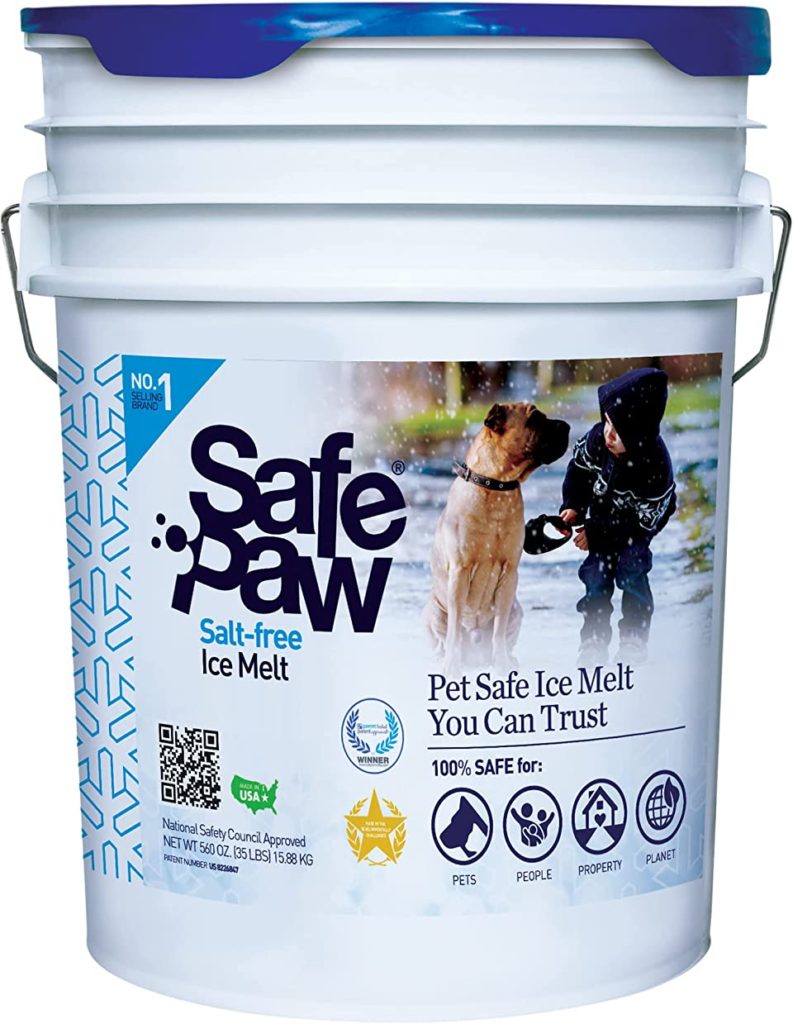
Safe Paw
The Original and the #1 Child and Pet Safe Ice Melt for over 20 years. Guaranteed environmentally safe – will not harm waterways and sensitive wetlands.
Windshield Defrosters: How to Speed Up Defrosting Car Windows
Cold mornings can be a real hassle, right? Nothing is more frustrating than staring at a windshield covered in a stubborn layer of frost when you’re already running late. That’s when the car defroster benefits really come into play—keeping your windshield clear and ensuring safe visibility.
The windshield defroster is a feature we often take for granted. It works by channeling warm air from the HVAC system to the inside of your windshield, gradually melting ice and reducing fog. But let’s be honest, traditional defrosters can be painfully slow, especially if your HVAC system isn’t heating up properly. You’re left waiting, shivering, and scraping. Not ideal, especially when you need to hit the road quickly.
How Does a Car Defroster Work and Should AC Be On When Defrosting Car?
Your car’s HVAC system sends warm, dry air through vent channels toward the windshield. That air gradually:
- Warms the glass
- Melts the ice bonding layer
- Allows safe scraping
If your HVAC is weak or clogged, you may experience slow defrosting.
Frost forms when surface temperatures drop below 32°F while humidity remains high, according to the National Weather Service.
Pet Safe Ice Melt – Safe Paw
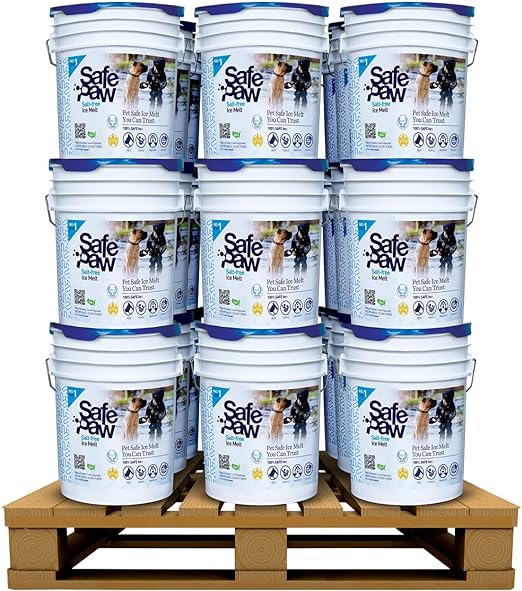
Safe Paw, Child Plant Dog Paw & Pet Safe Ice Melt -35lb, 36 Pails

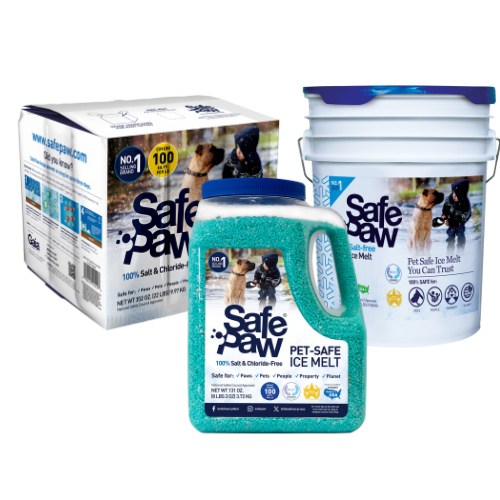
Safe Paw, Child Plant Dog Paw & Pet Safe Ice Melt -22lb, 100Bboxes
Safe Paw, Child Plant Dog Paw Pet Safe Ice Melt, 160 Jugs

Pet Products Powered By EzPz.pet


Are Heated Windshields Worth It for Defrosting Car Windows?
For those who want an upgrade, heated windshields come into play. These windshields contain embedded wires that warm the glass directly, leading to fast defrosting. No more waiting for the car to heat up. Just turn on the windshield heater, and watch the ice disappear.
But here’s the downside: heated windshields can be costly, and any damage to the embedded wires means an expensive repair. Proper defroster maintenance is essential to keep these systems functioning. And remember, harsh chemicals and traditional salt-based ice melts can corrode and cause further damage to these delicate components over time. So, you may want to think twice before using typical deicers.
Pros
- Rapid ice removal
- No need for scraping
- Even surface heating
Cons
- Costly repair if wires fail
- Connectors are sensitive to corrosion
Road salt accelerates corrosion on electrical connectors and vehicle undercarriages.

Which Ice Melts are Best for Car Defrosting, Pets, and Concrete?
Not all deicers are created equal, and many are extremely corrosive.
Let’s break down the most common types:
1. Rock Salt (Sodium Chloride)
Cheap and widely used—but highly damaging.
Effects on your car:
- Corrodes brake lines
- Rusts undercarriages
- Damages paint
- Accelerates metal fatigue
Sodium chloride corrosion causes over $3 billion annually in vehicle damage, according to AAA.
2. Water Softener Salt
Many people ask: Does water softener salt melt ice?
Yes—but it is chemically identical to rock salt.
Water softener pellets are sodium chloride and pose identical corrosion risks.
3. Calcium Magnesium Acetate (CMA)
Less corrosive, but not ideal.
Pros:
- Safer on metal than salt
- Eco-friendlier
Cons:
- Works poorly in extreme cold
- Often costly
Calcium Magnesium Acetate (CMA) loses significant melting effectiveness when pavement temperatures drop below approximately 20°F (-7°C). While CMA is effective over a similar temperature range as rock salt (sodium chloride), its performance notably diminishes as temperatures approach this lower threshold.
4. Safe Paw: The Only Non-Corrosive, Salt-Free Ice Melt
Safe Paw is manufactured by Gaia Enterprises, founded by chemical engineer Steve Greenwald. Its formula contains:
- Safe Paw is 100% salt-free (chloride-free) and non-toxic, designed to prevent chemical burns on sensitive pet paws and ingestion-related illness.
- Its patented formula uses a dual-effect compound consisting of a crystalline amide core and special glycols to melt ice. Instead, its dual-effect formula penetrates ice and prevents refreezing.
- The product is non-corrosive and safe for all surfaces, including cured concrete, decking, and landscaping, unlike chloride-based melters.
- Safe Paw works in cold temperatures down to -2°F and has a timed-release function to help prevent ice from sticking for up to three days.
Chloride-free deicers significantly reduce metal corrosion and concrete damage compared to traditional salts.
Safe Paw is effective down to –2°F and is 100% salt-free. Its non-salt composition uses a patented combination of a crystalline amide core and special glycols, making it non-corrosive.
Comparison Table: Rock Salt vs Softener Salt vs CMA vs Safe Paw
| Deicer Type | Effective Temp | Corrosion | Car Safety | Pet Safety | Concrete Safety |
| Rock Salt | 15°F | High | Poor | Poor | Poor |
| Water Softener Salt | 15°F | High | Poor | Poor | Poor |
| CMA | 20°F | Moderate | Fair | Moderate | Fair |
| Safe Paw | –2°F | None | Excellent | Excellent | Excellent |
Why You Should Avoid Salt and Why Isn’t My Car Defrosting Properly?
Salt does more than melt ice—it’s chemically aggressive. Salt brine sticks to your car and slowly eats away at:
- Fuel tanks
- Brake lines
- Muffler joints
- Wheel wells
- Suspension parts
Road salt forms an electrolyte solution (brine) that dramatically accelerates the oxidation (rusting) process on your car’s exposed metal components.
This accelerated corrosion weakens critical safety parts in the undercarriage, such as the brake lines, suspension mounts, and fuel lines, which can lead to catastrophic failure.
Salt residue also attacks the exhaust system (muffler joints) and structural frame (wheel wells), significantly reducing the vehicle’s lifespan and resale value.
Chloride salts contribute to rust formation and vehicle deterioration, especially in winter climates.
Why You Should Avoid Salt and Why Isn’t My Car Defrosting Properly?
Yes, chemically, it melts ice.
No, practically, it’s unsafe because:
- It damages your driveway
- It corrodes your vehicle
- It harms vegetation
- It’s unsafe for pet paws
While water softener salt (typically pure sodium chloride or potassium chloride) will chemically melt ice, its high concentration and purity mean it’s highly corrosive and damaging.
The concentrated brine solution is extremely effective at damaging porous concrete and asphalt driveways by promoting freeze-thaw cracking and will severely accelerate rust and corrosion on any vehicle it contacts.
Solving “Why My Car Defrost is Not Working” with Proper Maintenance
- Replace your cabin air filter every 12 months
- Keep dashboard vents clean
- Run the heater monthly to circulate the system
- Avoid using corrosive salt-based melts near your car
Clogged cabin air filters reduce airflow, critically impairing defroster effectiveness, which significantly increases the time needed to clear the windshield and diminishes visibility.
The Benefits of Eco-Friendly Deicers for Protecting Your Vehicle
While car defroster benefits are undeniable, sometimes you need extra help. This is where ice melts come in, but not all ice melts are created equal. Traditional salt products may seem effective, but they can be highly corrosive. This means potential damage to your vehicle’s paint, metal, and even the windshield. Imagine using a product that ends up harming the very thing you’re trying to protect. That’s not a smart trade-off.
Instead, opt for Safe Paw—a truly eco-friendly deicer. Unlike salt-based alternatives, Safe Paw is non-corrosive, meaning it won’t damage your car’s exterior or delicate defroster components. By using Safe Paw, you minimize the risk of harming your car while effectively loosening ice, which makes the job of your windshield defroster much easier and faster.
Why Safe Paw is the Best Pet-Safe Ice Melt for Car Owners
Safe Paw is the only major brand that:
- Contains no salt
- Contains no chlorides
- Is non-corrosive
- Is safe for vehicles
- Is safe for concrete
- Is safe for pets
It solves multiple problems at once:
- Protects car undercarriages
- Prevents concrete surface scaling
- Avoids chemical burns on paws
- Works in extreme cold
This is the gap others do not fill.
Defroster Maintenance Tips
Proper defroster maintenance is the key to keeping your car ready for winter. Regularly check that the HVAC system is blowing warm air effectively—if it’s not, your defroster can’t perform its job. Also, make sure that vents are clear of any dust or debris that may block airflow.
Another crucial point? Avoid products that can damage your car’s systems. Salt can create buildup that affects the efficiency of your defroster over time. Using a safe, non-toxic ice melt like Safe Paw helps keep your defroster functioning at its best, so you aren’t left with patches of ice that refuse to budge.
Why the Best Ice Melt for Concrete Must Be Safe for Your Car and Underbody
When choosing the best ice melt for concrete, don’t overlook your car in the equation. After all, the same surfaces you treat—your driveway, walkways, and garage entrances—are where your car rests. And if you’re using a harsh deicer like rock salt or calcium magnesium acetate ice melt, you could be doing more harm than good. While calcium magnesium acetate is considered “less corrosive,” studies show it can still pose threats to metal car parts, leading to rust and damage to undercarriages, brakes, and exhaust systems. It’s also not as effective in extremely low temperatures, often requiring repeated applications.
On the other hand, Safe Paw remains a top-tier choice not just for safety, but also for performance. It’s 100% salt-free, chloride-free, and non-corrosive—making it the best ice melt for concrete that also respects your vehicle. Its unique dual-effect formula activates quickly and continues to prevent refreezing for up to 72 hours. That’s more than just convenience; it’s smart protection for your driveway and your car. And for homeowners with Trex decking or decorative concrete, Safe Paw delivers the peace of mind that your surfaces—and your car’s tires—won’t suffer after every winter storm.
Beyond the Ice: Snow Bunny Slang and How to Defrost Windshield Without Heat Myths
Let’s have a little fun: ever heard someone throw around the phrase “snow bunny slang“? While the term usually refers to someone stylishly navigating snowy adventures, it actually reveals something deeper about how people approach winter. It’s all about appearances—how to look the part, act confident, but often without the substance of real prep. And unfortunately, this mindset translates into how many people buy ice melt too.
For example, there’s a common myth floating around that asks, “does water softener salt melt ice?” Technically, yes—it can, in a pinch. But it’s far from ideal. Water softener salt is coarse and slow to act, and more importantly, it was never meant for walkways, driveways, or roofs. It’s untreated for safety on surfaces or around pets, and using it can quickly backfire by causing corrosion or harming your lawn and garden.
What people really need isn’t a shortcut or a trendy fix. It’s a solution backed by science, safety, and effectiveness. Safe Paw offers exactly that. Unlike traditional or repurposed deicers, it’s built for the job: fast-acting, residue-free, and gentle on surfaces and paws alike. So whether you’re trying to protect your new concrete driveway, avoid damage to your car’s underbody, or simply want to ensure your dog’s paws stay unharmed—Safe Paw truly stands out as the best ice melt for concrete and beyond.
Gaia Enterprises Inc. delivers 100% pet-safe and environmentally friendly winter products. Safe Paw, our flagship product, is the #1 selling pet-safe ice melt that does not harm pets, safe if ingested, and safe on all types of concrete.
Conclusion: Mastering Car Defrosting Without Risking Your Windshield
A car that does not defrost properly may have an incorrect climate setting, obstructed airflow, a restricted cabin filter, insufficient heat, excess cabin moisture, an HVAC fault, or a rear-window electrical problem. Begin with the controls, fan, temperature, outside-air mode, vents, and visible rear-grid condition. Use the built-in system and appropriate automotive tools to clear exterior ice, but avoid hot water, concentrated heat, metal tools, homemade mixtures of uncertain compatibility, and outdoor surface materials on the vehicle. If the system still produces no airflow, no heat, or no electrical clearing after basic checks, use the model-specific service information for further diagnosis.
FAQ: Expert Answers on How to Defrost Windshield Fast
Other Ice Melt Products
Traction Magic
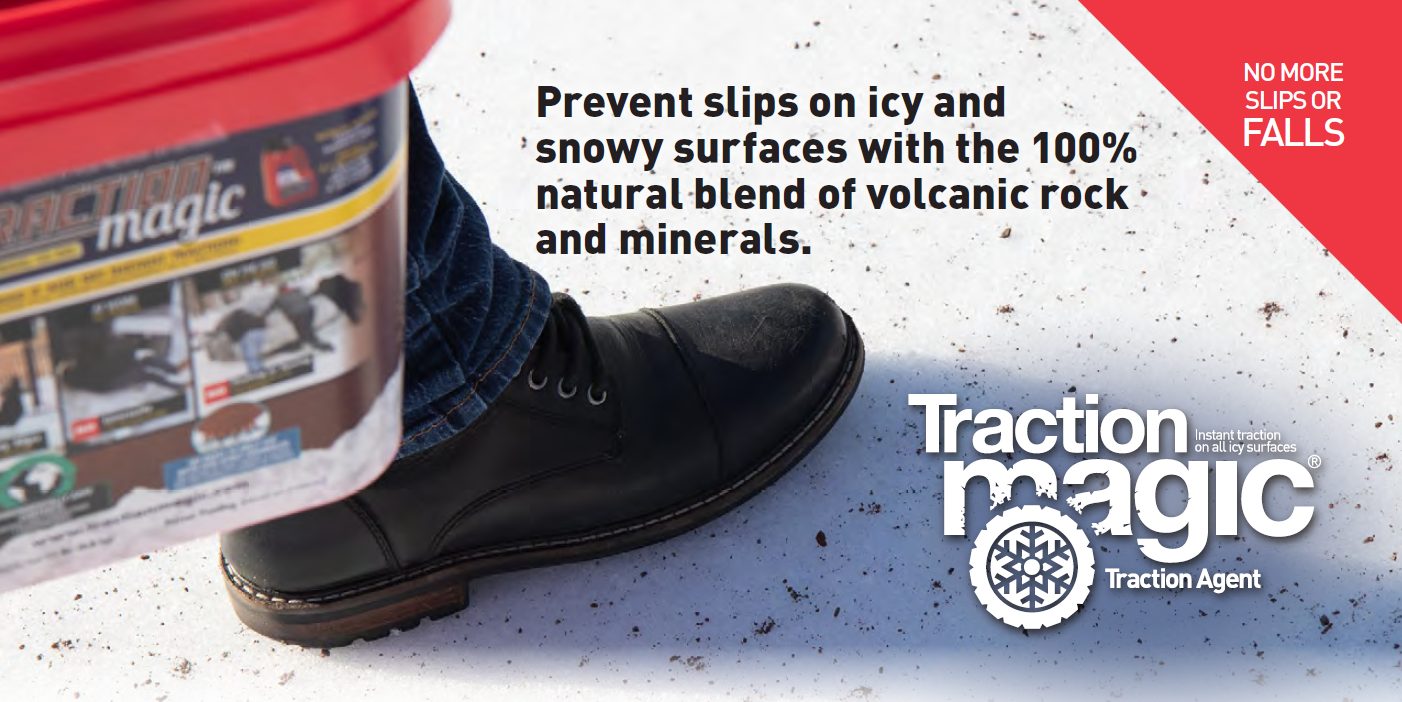
Stay safe on slippery surfaces with a product that’s 100% natural and safe for pets, people, and your property. Use Traction Magic on sidewalks, steps, or as instant traction for your car.
Safe Thaw
Imagine an ice melt you can put down and never worry about. It won’t harm pets, kids and your property. That’s Safe Thaw. Unlike anything else on the market, Safe Thaw can change how winter affects our planet.
Ice Traction (with Traction Magic™)
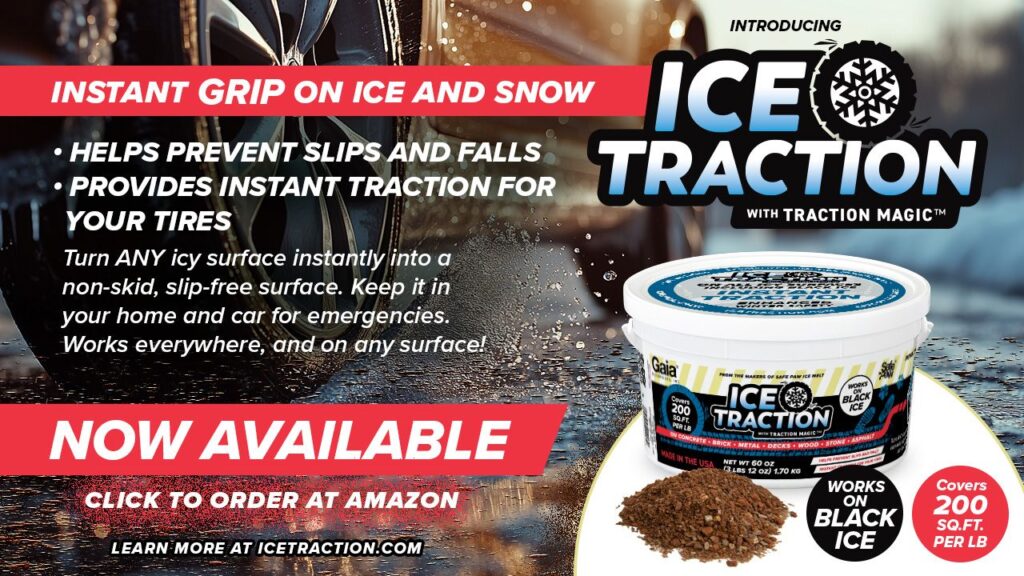
Ice Traction (with Traction Magic™) is your go-to winter solution for driveways, walkways, parking lots — and even black ice on the road. Unlike salt or ice melts, it delivers instant grip on snow and slippery surfaces with no wait time. Just spread and go.

Safe Thaw
Imagine an ice melt you can put down and never worry about. It won’t harm pets, kids and your property. That’s Safe Thaw. Unlike anything else on the market, Safe Thaw can change how winter affects our planet.

Related Articles
- How to Defrost Your Car: Quick Methods and Winter Parking Tips
- Parking Your Car Outside in Cold Weather: Risks and Precautions
- Leaving a Car Outside in Winter: Risks and Defrosting Tips
- Is Parking Your Car Outside in Winter Harmful? Risks and Prevention Tips
- How Long Does It Take to Defrost Your Car? Efficient Winter Tips