


How Dogs React to Changing Weather – Vet Insights

Have you ever noticed your dog pacing frantically, shaking, or suddenly becoming clingy right before a storm hits, even when the sky still looks clear? You look outside and think, “It’s sunny, what’s their problem?” Then, thirty minutes later, the downpour starts.
It’s not a coincidence—your dog isn’t just a pet; they are a walking, furry barometer. So, “how did they know?”. The truth is, your dog’s senses are far more tuned into the subtle shifts in their environment than ours are.
These undetectable changes can dramatically affect your dog’s mood, energy, and even physical comfort. Understanding why your furry friend acts like a weirdo when the weather changes is key to helping them live their best life.
Let’s dive into the common ways weather impacts your dog and what you can do to make every season easier.
The Truth Behind Anxiety and the Pressure Drop
Thunderstorms are perhaps the most common weather-related anxiety trigger. But it’s not just the booming thunder that sets them off. Dogs can sense a storm approaching long before we hear the first rumble because they can feel the rapid drop in barometric pressure. This pressure change can cause physical discomfort in a dog’s ears, similar to what humans feel on an airplane.
More significantly, research has shown that some thunder-phobic dogs experience a 200 percent increase in the stress hormone, cortisol, during a storm, This isn’t just being “a little scared”; it’s a full-blown panic response.
Dogs are highly sensitive to drops in barometric pressure and may experience a significant spike in stress hormones like cortisol during thunderstorms.
What you might see as symptoms when the temperature drops:
- The “Velcro Dog” Phase: They become clingy, following you from room to room, desperate for reassurance.
- The Bathtub Retreat: Seeking out small, dark, and often grounded spaces like closets, under the bed, or even the bathtub. The porcelain can sometimes reduce the uncomfortable static electricity they feel.
- Stress Panting: Excessive panting and drooling when they aren’t hot or exercising is a major sign of stress or anxiety.
Create a safe, den-like space before the storm hits. Play white noise or calming music to help muffle the thunder. For severe cases, talk to your vet about prescription anti-anxiety medication.
Arthritis Flare-Ups
For our senior companions or those with a previous injury, a drop in temperature and pressure can translate directly into physical pain. Just like some people can “feel the rain in their joints,” dogs with osteoarthritis often suffer from flare-ups in cold or wet weather.
When the atmospheric pressure drops, the external pressure on the body decreases. For arthritic dogs, this can cause the tissues and fluid within the joint capsule to expand, irritating the joint and leading to increased stiffness.
What you might see:
- They are reluctant to move or struggle to stand up after a long nap or in the morning.
- They stop wanting to jump onto the sofa, climb stairs, or get into the car, suddenly demanding a lift.
- They may become irritable or snap when touched in an area that hurts, a clear sign of chronic discomfort.
Cold weather and falling barometric pressure can increase pain in dogs with osteoarthritis by causing tissues within the joint capsule to expand.
Vet tip: Provide a warm, cushioned orthopedic bed away from drafts. Consider a good quality, vet-approved joint supplement. A warm coat can also help keep muscles limber.
Pet-Friendly Ice Melt
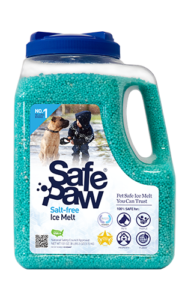
Pet Safe Ice Melt – Safe Paw
The Original and the #1 Pet and Child Safe Ice Melt for over 20 years. Guaranteed environmentally safe – will not harm waterways and sensitive wetlands.
The Winter Blues vs. Cabin Fever
If your dog is sleeping more and seems less enthusiastic about a walk in the winter, you might worry about seasonal depression. While dogs don’t experience the emotional equivalent of Seasonal Affective Disorder (SAD), they absolutely get the “winter blues.”
This lethargy is typically less about mood and more about environmental changes and boredom. Shorter daylight hours naturally increase melatonin, making your dog sleepier. Coupled with less physical activity, it’s a recipe for cabin fever and potential weight gain.
Combat the “winter blues” with indoor enrichment. Puzzle toys, snuffle mats, and just ten minutes of training new tricks can provide crucial mental stimulation. In fact, dogs are more active in cooler weather if given the chance so find ways to harness that energy safely!

Summertime Slowdown
The opposite problem occurs in the summer: instead of getting the blues, they get the slows. Dogs, especially brachycephalic (flat-faced) breeds like Pugs and Bulldogs, are extremely sensitive to heat and humidity. Their primary cooling mechanism (panting) becomes ineffective in extreme heat, which raises the risk of life-threatening heatstroke.
Plan walks for the cooler hours of early morning and late evening. Always check the pavement—if it’s too hot for your bare hand, it’s too hot for their paws. If you notice excessive panting, confusion, or vomiting, seek emergency veterinary care immediately.
By recognizing these signs and understanding the why behind your dog’s weather-related behaviors, you can take simple, proactive steps to ensure their comfort and well-being year-round.
FAQs
Other Ice Melt Products
Walk On Ice
Prevent slips at home, work or on the go, The handy disposable canister can be taken everywhere, with the same 100% naturally occurring minerals that provide instant traction on ice or snow.

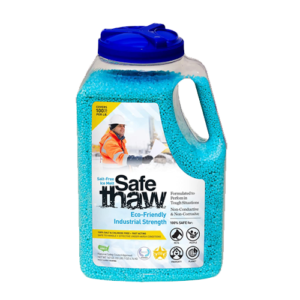
Safe Thaw
Imagine an ice melt you can put down and never worry about. It won’t harm pets, kids and your property. That’s Safe Thaw. Unlike anything else on the market, Safe Thaw can change how winter affects our planet.