


What Are The Dangers Of Not Clearing Snow From Your Driveway?
What Are the Risks of Leaving Snow on a Driveway?
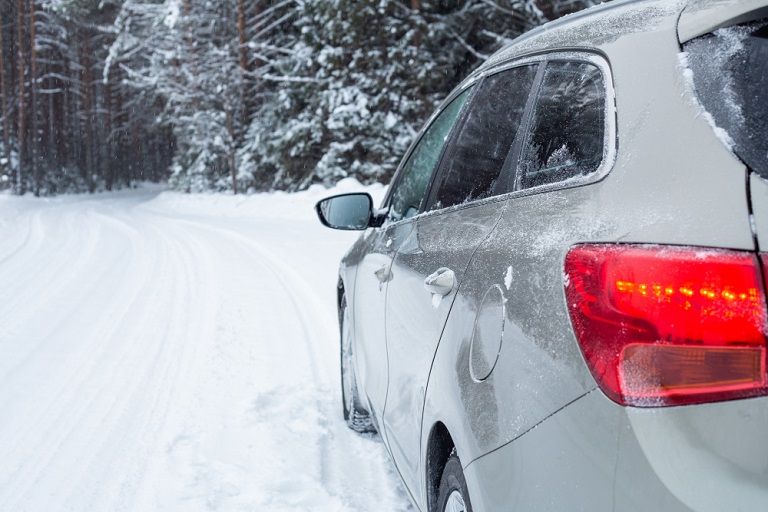
Leaving snow on a driveway can increase slip and fall hazards, hide obstacles, compact into harder-to-remove ice, and create runoff that may refreeze. Where water enters existing cracks, repeated freezing and thawing can worsen surface deterioration. Snow and slush can also hold road-salt residue against a vehicle’s underbody. Removing snow early, keeping drainage paths open and treating remaining slippery areas appropriately reduces these winter risks.
Slippery conditions are created by snow and ice on walkways. Serious injuries are possible if you or a family member slips on the ice. You realize clearing your driveway is a hassle when there is a pile of snow. Give that impulse a second thought if you’re thinking about letting the snow pile up this year. If you don’t clear your driveway of snow, you risk endangering your vehicle, your home, and your family. Following a storm, swift snow removal avoids the freeze/thaw cycle from forming impenetrable ice on your walkways and driveway. You should also use salt-free ice melter for the concrete driveway. Everyone who comes and goes on your property will be safer as a result of this.
Key Takeaways
- Clear snow early before vehicle and foot traffic compress it into a denser layer.
- Remove loose snow mechanically before treating remaining ice where practical.
- Watch shaded and low areas because meltwater can refreeze after temperatures fall.
- Snow and ice can conceal uneven pavement, curbs, objects and existing cracks.
- Traction materials improve grip; deicers are used to loosen or melt bonded ice. They are not the same tool.
- Driveway material, age, condition, temperature and drainage should guide winter treatment choices.
What Happens When Snow Is Left on a Driveway?
Uncleared snow changes over time. Foot traffic and vehicles can compact it, daytime melting can create water that later refreezes, and drifting can hide uneven surfaces or objects. On cracked pavement, meltwater may enter openings and freeze again as temperatures fall. In lower or shaded areas, runoff can also create new icy patches after the rest of the driveway appears clear. These risks are why driveway maintenance should address snow removal, traction, drainage and remaining ice separately.
What to Do After Snow Falls on Your Driveway
- Remove loose snow early with a shovel, snow blower or suitable plowing method.
- Clear the main walking path, tire paths and the lower end of the driveway where meltwater may collect.
- Break up or scrape compacted snow where it can be removed safely.
- Use traction material for immediate grip or an appropriate deicer when bonded ice needs to be loosened.
- Recheck shaded areas, cracks, drainage points and low spots later for refreezing.
Proactive Driveway Winter Safety Tips: Why Early Snow Removal Saves Effort
When a storm is expected to dump several inches of snow, it’s a good idea to go outdoors and shovel your driveway while it’s still snowing. After all, moving two inches of snow is considerably easier than six inches, even if it involves numerous shoveling trips. This suggestion will assist you in avoiding back discomfort.
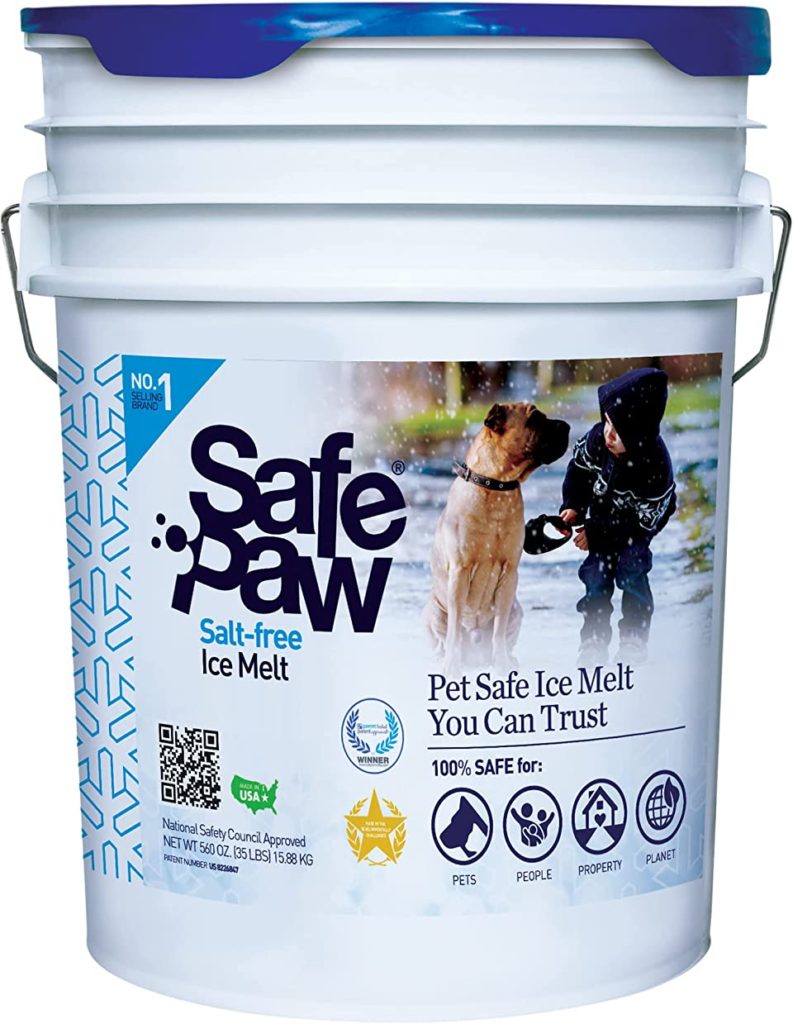
Safe Paw
The Original and the #1 Child and Pet Safe Ice Melt for over 20 years. Guaranteed environmentally safe – will not harm waterways and sensitive wetlands.
Beyond the Driveway: How Ice Melt Prevents Roof Overload and Structural Collapse
Snow load, or the weight of snow that a roof is rated to handle, is specified in buildings in cold areas. Roofs must be able to bear a particular amount of weight, based on the climate and amount of snow, generally seen in that area- according to local building rules. Deteriorated roofs may not support as much weight as they once did, and heavy snowfall may cause the roof to collapse. As the freeze/thaw cycle changes light snow into thicker ice, the weight of snow on a roof increases. You should not postpone the removal of snow. Use natural ice melter to avoid any damage. Acting quickly after a heavy storm could spare your roof from collapsing.
Driveway Snow and Ice Removal Methods: Advantages and Limitations
| Method | Advantages | Limitations | Useful when |
| Shoveling | Directly removes snow; precise around steps and edges | Labor-intensive; physical exertion increases with depth and wet snow | Small to medium areas and early removal |
| Snow blower | Moves larger volumes faster than manual shoveling | Requires suitable equipment, storage and safe operation | Moderate to heavy snowfall on accessible driveways |
| Plowing | Efficient for large amounts of snow | Can leave packed snow or windrows; requires space to push snow | Long or wide driveways |
| Traction grit / sand | Improves grip immediately | Does not melt ice; cleanup may be needed | Very cold conditions or temporary traction |
| Deicer | Can loosen the bond between ice and pavement | Performance varies by formulation, temperature and surface condition | Remaining bonded ice after loose snow is cleared |
| Drainage correction | Addresses recurring runoff/refreezing problems | Not an immediate storm response | Driveways with repeated low-spot or runoff icing |
What Risk Does Uncleared Snow Create, and What Helps?
| Driveway condition | Main risk | Practical response |
| Fresh loose snow | Reduced traction and hidden surface features | Remove early with shovel, blower or plow |
| Snow compacted by vehicles | Denser slippery layer that is harder to remove | Mechanical removal first; scrape and treat remaining bonded areas |
| Meltwater in low spots | Refreezing and black-ice-like patches | Keep drainage open; recheck after temperatures fall |
| Snow over existing cracks | Water can enter openings and freeze again | Clear snow; inspect and maintain damaged areas |
| Very cold icy surface | Melting products may become less effective | Use traction material and mechanical removal as needed |
| Salt-contaminated road slush | Chloride exposure to metal and runoff | Remove accumulated slush and use deicers efficiently rather than excessively |
Choose the Approach by Situation
| Situation | Practical approach |
| Light fresh snow | Clear it early before traffic compacts it. |
| Heavy accumulation | Use a snow blower or appropriate plowing method, then finish problem spots manually. |
| Thin bonded ice | Use an appropriate deicer according to surface and temperature instructions. |
| Immediate slip risk | Add traction grit while the underlying ice is being managed. |
| New or vulnerable surface | Prioritize mechanical removal and follow surface-specific guidance before using deicer. |
| Recurring downhill refreezing | Improve drainage and monitor low/shaded areas after melting. |
| Chloride exposure is a concern | Consider a chloride-free deicer while still checking surface compatibility and application instructions. |
Ice Melt Driveway Safety Risks: Protecting Your Vehicle Underbelly from Corrosion
When you don’t clear snow from your driveway, you end up parking in deeper snow every night, exposing the underbelly of your car to moisture for long periods, which can cause corrosion. One should always use a natural ice melter.
Furthermore, the deicing agents used on the highways to make driving possible will contaminate the underbelly of your car and the snow in your driveway. These substances, such as salt, are corrosive and will speed the deterioration of your vehicle’s undercarriage.
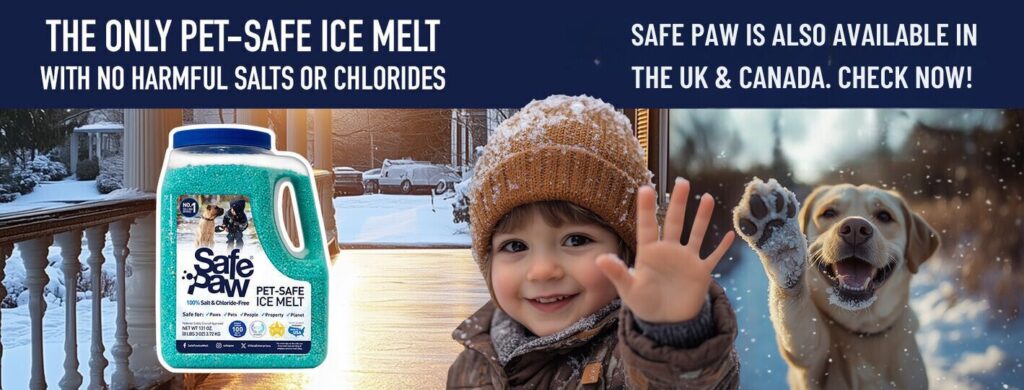
It is advisable to use salt-free ice melter for the concrete driveway. Safe Paw is chloride-free. It is environmentally friendly ice melt. Also, it is a non-toxic, non-corrosive alternative to salt-based ice melt. It melts ice, decreases surface stress, and channels drainage.
Avoiding Driveway Accident Prevention: The Risks of Ice Buildup and Refreezing
Your driveway might get damaged if you do not shovel. The meltwater from melting snow seeps into the cracks and crevices of your driveway. If the water freezes again in the cold, the ice grows and widens the fissures, inflicting damage. It’s tough to navigate through the snow in your driveway, and you could trip and fall on anything buried beneath it. The melting and refreezing snow might turn your driveway into ice, posing a slipping hazard.
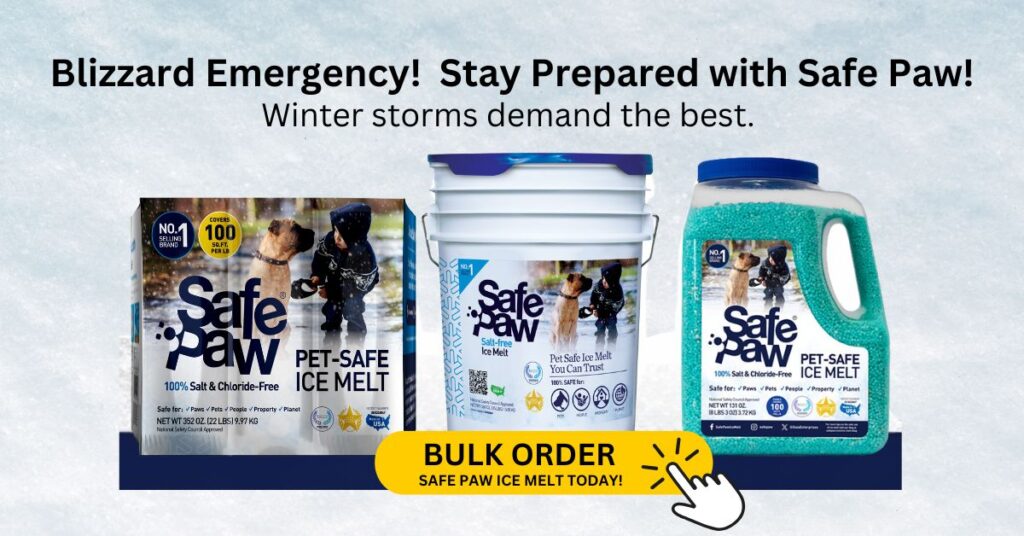
Pet Safe Ice Melt – Safe Paw
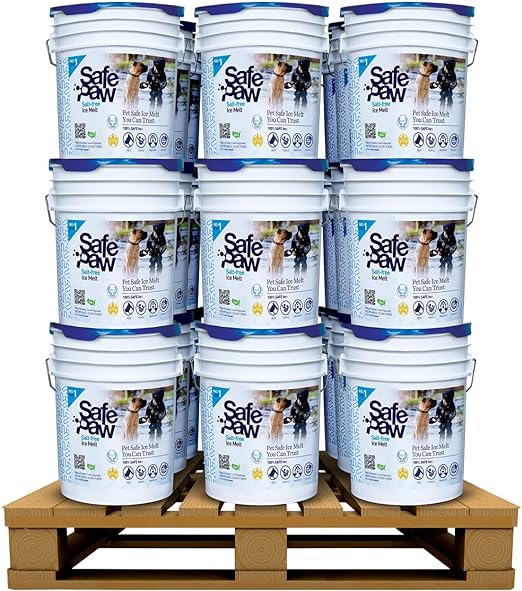
Safe Paw, Child Plant Dog Paw & Pet Safe Ice Melt -35lb, 36 Pails

Safe Paw, Child Plant Dog Paw & Pet Safe Ice Melt -22lb, 100Bboxes
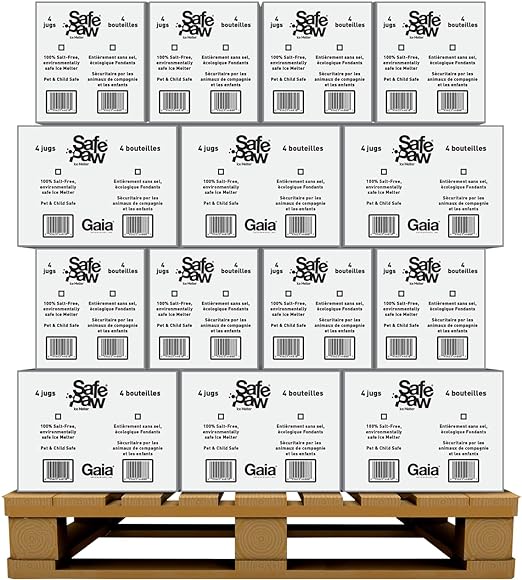
Safe Paw, Child Plant Dog Paw Pet Safe Ice Melt, 160 Jugs

Pet Products Powered By EzPz.pet


Comparing Solutions: Why Choose an Eco-Friendly and Pet-Safe Ice Melt?
When winter strikes, there’s nothing more frustrating than seeing your driveway turn into an icy skating rink. But as you reach for the ice melt, have you ever stopped to think about the impact it has on the environment, your pets, and even your driveway? The best ice melt for driveway doesn’t just clear the ice; it does so responsibly. Eco-friendly ice melts are becoming the go-to solution for people who want to keep their driveways safe without harming the planet or risking their pets’ safety.
Traditional ice melts often contain harmful chemicals like sodium chloride or calcium chloride. These can seep into the soil, harm your plants, and even affect local waterways. Not to mention, if your pet walks over these chemicals, it could end up with burned paws or worse. That’s why pet-safe deicers are such a game-changer. They allow you to clear the ice while keeping your furry friends happy and healthy.
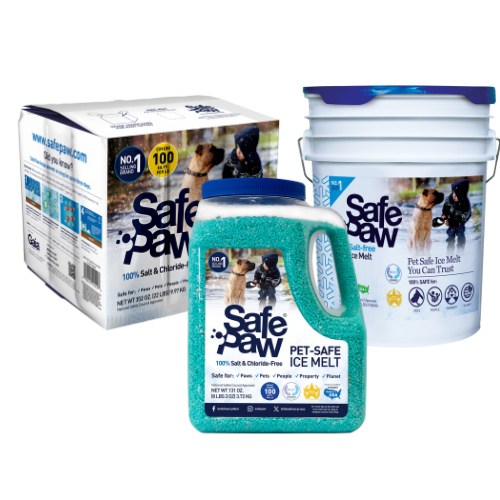
Products like Safe Paw are great examples—they’re 100% chloride-free, which means they won’t burn paws or poison your soil. They are also effective in low temperatures, making them one of the best ice melt for driveway options when you want a greener choice.
Another reason to opt for eco-friendly ice melts? They help prevent ice on driveway in a way that’s kind to both your home and the environment. Eco-friendly options often use materials that provide traction or contain ingredients that are less corrosive to concrete. Think about it: winter safety doesn’t have to mean sacrificing the well-being of the world around you. And when you choose products that are safe for pets, plants, and the planet, you’re taking a big step toward a more sustainable winter.
Finding an Ice Melt Safe for Driveways in Winter: Concrete Protection Strategies
Now, let’s talk about your driveway—particularly if it’s made of concrete. Not all ice melt solutions are created equal, especially when it comes to protecting your surfaces. If you’re searching for driveway deicing methods, you need to be sure you’re using a product that won’t damage the concrete over time. Concrete may be tough, but it can be surprisingly sensitive to the wrong type of ice melt. Ever notice those unsightly cracks or scaling after winter? That’s what happens when corrosive deicers attack.
For a concrete-specific solution, it’s crucial to opt for a concrete-safe ice melt. The best ice melts for concrete are non-corrosive, meaning they won’t cause surface scaling or pitting. Calcium chloride may be effective at melting ice, but it’s also known for causing concrete deterioration, which means costly repairs down the road. The best ice melt for driveway use is one that works at low temperatures without compromising the integrity of your surfaces.
If you want to prevent ice on driveway effectively without causing damage, you should also think beyond just melting ice. Prevention is always better! Consider pre-treating your driveway with an ice melt before the storm hits. This can help reduce the formation of ice and make any buildup much easier to remove later on.
Using a pet-safe deicer like Safe Paw ensures that you’re not just caring for your concrete but also keeping your pets safe from harmful chemicals.
Another good practice is to mix your driveway deicing methods. Sometimes the solution isn’t just about melting the ice—it’s about adding traction. Sand or small pebbles can work wonders when paired with an eco-friendly ice melt. This combination can help keep you on your feet and prevent slips without adding corrosive salts to your driveway. A layered approach means that your driveway stays safer for everyone—pets, kids, and adults alike.
Why Safe Paw Pet-Safe Ice Melt is Essential for Slippery Driveway Prevention
When the snow hits, one of the first questions every responsible homeowner asks is: what melts ice without harming pets or driveways? The answer? Choosing an ice melt pet safe formula—one that melts ice efficiently without toxic side effects. That’s where Safe Paw comes in. Unlike rock salt or traditional chlorides, which can burn paws, damage flooring, or leave white residue, Safe Paw is formulated with your entire household in mind. No chlorides. No salt. Just safety and smart science.
So, what melts ice safely? Pet-safe options like Safe Paw use a proprietary, dual-action formula that not only starts melting ice on contact but also prevents re-freezing for up to 72 hours. It’s an all-in-one solution designed for people who want more than just short-term results. And if you’re tired of wiping paw prints off your floors every winter? A pet-safe ice melt keeps your home clean, your animals protected, and your surfaces undamaged.
Still not convinced? Just consider the long-term savings—no spring repairs for concrete cracks, no emergency vet visits, and no wasted money on ineffective salt. Switching to a pet-safe ice melt isn’t just a choice. It’s a commitment to a safer, smarter winter routine.
How to Melt Ice Fast: Using Ice Melt to Reduce Driveway Slip Hazards Safely
Wondering how to melt ice fast without wrecking your driveway or harming your pets? It starts with choosing an ice melt that combines speed with safety. Many people assume you need harsh chemicals to get results quickly—but that’s a myth. Safe Paw is proof that fast and safe can go hand in hand. Its formula begins working immediately on contact and continues to break through thick ice thanks to a timed-release technology.
While temperatures may vary by region, what degree does it snow typically? Most snowfall occurs when air temps are around or below 32°F (0°C). The trick is to apply Safe Paw just before snow hits or right at the first sign of flurries. This proactive approach minimizes accumulation and maximizes melt time. And since Safe Paw doesn’t re-freeze, you reduce the chances of slippery black ice forming later.
To speed things up further, always clear loose snow before applying. This allows the ice melt to reach bonded ice directly. And if you’re dealing with packed-down snow or icy patches, use a push broom or scraper to agitate the surface after application. Pairing ice melt pet safe products with good technique makes all the difference in melting speed and surface safety.
Don’t let winter catch you off guard. The right product and approach will not only keep your paths ice-free, but do so without risking the health of your furry companions or the integrity of your driveway.
Conclusion: Mastering Driveway Winter Safety with Chloride-Free Solutions
Clearing snow is more than just a seasonal inconvenience—it’s a crucial part of keeping your home safe, functional, and pet-friendly. But doing it right means knowing what melts ice without adding risk. The outdated solution of pouring down corrosive salt is no longer acceptable in homes that care about pets, the planet, and property health. Now, we look for efficiency and empathy.
Products like Safe Paw offer an ice melt pet safe option that addresses every winter concern: it’s fast-acting, non-toxic, chloride-free, and gentle on concrete. You’ve learned how to melt ice fast, why surface safety matters, and even what degree does it snow. Armed with that knowledge—and the right tools—you’re set to conquer even the iciest driveways.
Let winter bring its worst. You’ll be ready with a solution that keeps everyone on solid footing.
Gaia Enterprises Inc. delivers 100% pet-safe and environmentally friendly winter products. Safe Paw, our flagship product, is the #1 selling pet-safe ice melt that does not harm pets, safe if ingested, and safe on all types of concrete.
FAQ: Frequently Asked Questions About Using Ice Melt on Driveways Safely
Other Ice Melt Products
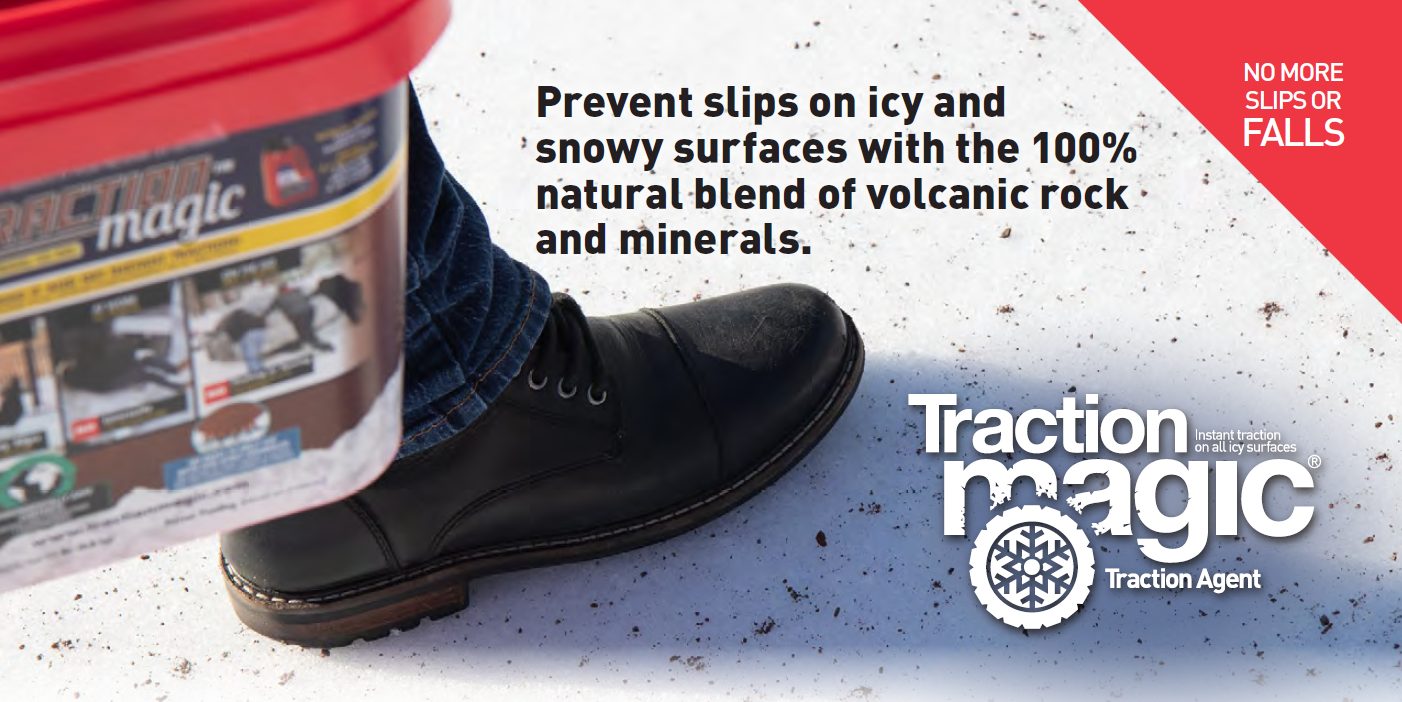
Traction Magic
Stay safe on slippery surfaces with a product that’s 100% natural and safe for pets, people, and your property. Use Traction Magic on sidewalks, steps, or as instant traction for your car.
Safe Thaw
Imagine an ice melt you can put down and never worry about. It won’t harm pets, kids and your property. That’s Safe Thaw. Unlike anything else on the market, Safe Thaw can change how winter affects our planet.
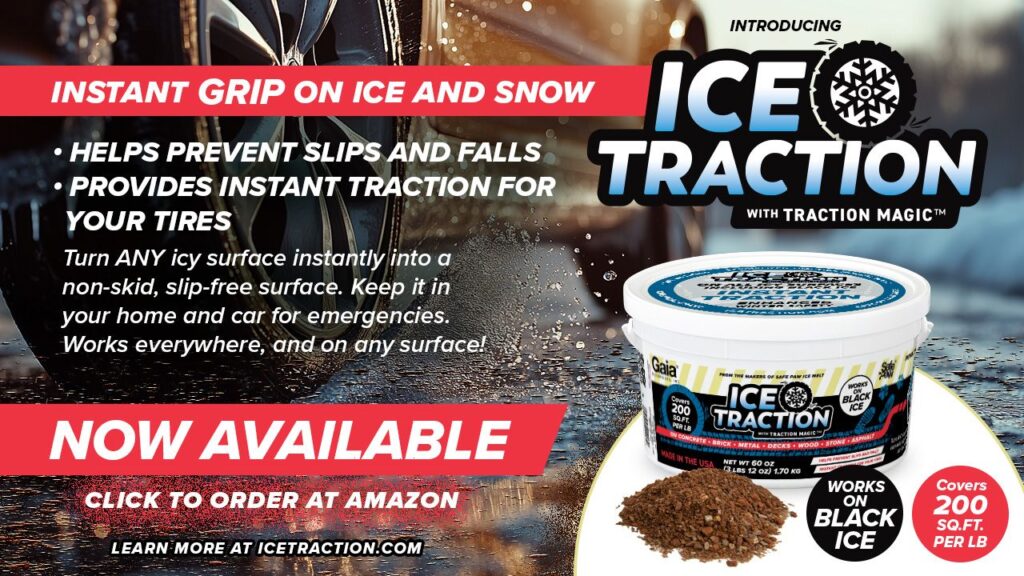
Ice Traction (with Traction Magic™)
Ice Traction (with Traction Magic™) is your go-to winter solution for driveways, walkways, parking lots — and even black ice on the road. Unlike salt or ice melts, it delivers instant grip on snow and slippery surfaces with no wait time. Just spread and go.

Safe Thaw
Imagine an ice melt you can put down and never worry about. It won’t harm pets, kids and your property. That’s Safe Thaw. Unlike anything else on the market, Safe Thaw can change how winter affects our planet.